

Water Pumps
What Is Water Pumps?
A water pump is used to transport water from one location to another. To suck water in so that it can be expelled, a pump must be able to rapidly alter pressure within a system. How a water pump achieves this pressure change is what allows certain pumps to be more beneficial to certain applications than others. Various mechanisms and movements are used to pump fluid through a system. Some pumps, for example, use reciprocating movement of a diaphragm to alter the pressure on either side of the pump. Others use rotational movement to seal off certain sections of the pump chamber, thus altering the pressure inside.
While all water pumps move water, they are needed for many different reasons. For example, a boat must use a water pump to rid the hull of water when it builds up. A water booster pump, on the other hand, is used to increase water pressure inside a home. Regardless of the application of a water pump, the goal is the same: to move water from point A to point B.
Advantages of Water Pumps
Provides water supply
Water pumps can be used to extract water from underground sources, wells, lakes, rivers, or reservoirs to provide water for homes, irrigation, and other purposes.
Saves time and energy
Using a water pump is more efficient than manually extracting water using a bucket or other means. This saves time and energy, especially when pumping large volumes of water.
Increased water pressure
Water pumps can increase water pressure, making them useful in situations where water pressure is low or insufficient.
Easy to install
Most water pumps are easy to install and operate, requiring minimal maintenance.
Cost-effective
Water pumps can be a cost-effective solution for providing water in areas where a reliable water supply is not available.


Why Choose Us
Our factory
Founded in 2006, the company has convenient transportation and beautiful environment, with a total area of more than 20,000 square meters.
200+ employees
With more than 200 employees, the company has high-quality technical personnel and a high-quality team, which can provide customers with perfect after-sales service in a timely manner.
Worldwide sales
Product sales cover more than 20 provinces and cities in China, such as Chongqing, Yunnan, Sichuan, Guizhou, Guangxi, Guangdong, Shandong, Heilongjiang, Hunan, Hubei, etc., and a number of the company's products have entered the agricultural machinery subsidy catalog. The company's products have been exported to Nigeria, Australia, India, the Philippines, Thailand, Vietnam and other countries in batches and obtained independent export rights.
Complete process system
The company has a strict organizational structure, perfect management system, strong technical force and rich manufacturing capacity.
Types of Water Pumps
Well pumps
This type of water pump is used to push water from an underground water source through pipes that connect to a home of business. Well water pumps are available in a variety of horsepower units. The benefit of this type of pump is that you can select a pump with the right amount of horsepower to fit your individual needs. You can also get well water pumps with enough horsepower to supply more than one home or business.
Pressure tanks
This type of water pump regulates the pressure of the water as it enters the pipes in your home. It is perfect for climates that have all four seasons. Reason being that seasonal changes can modify the pressure of your water. For instance, in the spring the melting snow will affect water pressure.
Sump pumps
This type of water pump is best for removing excess water due to rain, melting snow and floods. The sump pump is typically installed underneath a house or in a basement area where excess water can build up. The float inside the pump is activated when water reaches a certain level, which turns the motor on. The motor then spins the blade, pushing out the excess water up a drain hose and outside the building. Another benefit of submersible pumps are their ability to manage large amounts of water and be submerged without the hazard of electrical shortages.
Gear pumps
Gear pumps transfer fluid by gears coming in and out of mesh to create a non-pulsating pumping action. They are able to pump at high pressures and excel at pumping high viscosity liquids efficiently.
Peristaltic pumps
Peristaltic pumps creates a steady flow for dosing and blending and is able to pump a variety of fluids, ranging from toothpaste to all sorts of chemicals. They are widely used in water treatment, chemical processing and food processing industries.
Lobe pumps
Lobe pumps offer superb sanitary qualities, high efficiency, reliability, corrosion resistance, and good clean-in-place and sterilise-in-place (cip/sip) characteristics. Thus they are very popular in f&b and pharmaceutical industries.
Piston pumps
A piston pump is a type of positive displacement pump where the high-pressure seal reciprocates with the piston. Piston pumps can be used in multiple applications and can be used to transfer paint, chocolate, pastry, etc.
Flooding Fields
One of the most popular recreational uses for a water pump involves flooding fields for duck hunting. Flooding a field is one of the most productive ways to create a hotspot for ducks. During duck hunting season, hunters commonly run into frustrations when there are open, dry fields that ducks fly over. Fortunately, this missed opportunity can be transformed into a successful hunt with the help of water pumps.
De-flooding
In many areas around the country, rainy weather can create a significant impact on job sites. In addition to pushing out large amounts of liquid, water pumps can also be used to remove water from an area. This is especially important at construction job sites that have been flooded from rain. Without proper preparation, severe weather and flood-prone areas can postpone progress and create safety hazards. Water pumps help protect job sites by quickly removing water, helping your crew get back to work faster.
Draining Water
Another way in which pumps remove water is by draining a pool. If you are a homeowner with a pool, you understand the importance of keeping the water clean and safe for your household. Every few years or so, it's recommended to drain your pool and replace it with fresh, clean water. Sometimes, pools need to be drained for construction purposes. But because pools have vast amounts of water in them, it is impossible to drain without the help of a water pump. These pumps come in different horsepower engines and hose lengths to accommodate the needs of the pool.
Transferring Water
Water pumps can also be used to transfer water out of an area and into another desired area. This is necessary for multiple situations, whether you need to transport water into a tank or clean up water from your basement or yard. Transferring water can be a daunting task, but pumps will save you headaches and help get the job done effectively.
Dredging
Dredging is done when sediments and debris from the bottom of lakes, rivers, harbors, and other bodies of water need to be removed. Because of the natural process of sedimentation, dredging is a necessary and common task to help create safe passages for boats and ships. Dredging is also done to remove contaminants from the water, keeping wildlife and people safe. Water pumps make this project possible by creating a vacuum-like suction to remove materials.
Irrigation
Water pumps play a fundamental role in agriculture. They allow water to reach fields and crops for irrigation in the most effective way possible. Using a water pump provides flexibility with irrigation when it comes to field size and the types of crops planted. It also helps conserve water more efficiently than sprinklers, providing the best watering results for your crops.
Recreational
An additional way in which you can benefit from water pump use recreationally is for gold mining. Pumps help move or suck up water up or down a stream, revealing gravel and gold at the source. Also known as hydraulic mining, using a water pump to mine will help dislodge rock material and other sediments to access gold conveniently.
Components of Water Pumps
A water pump's pulley is designed to transfer the drive belt's movement into the bearing spindle. The pulley receives the engine traction and acts as a medium between the two, mediating the amount of torque that goes through. Since the pulley experiences a lot of pressure and force from the drive belt, it has to be made of strong materials. The pulley is usually made of steel, cast iron, or sheet metal. The idea is to produce a strong pulley that is lightweight and durable.
This is one of the most important water pump components and comes next in line after the pulley. It receives the turning force from the pulley and transfers it to the next component in line, which is the impeller. The bearing's design and build quality is the sole factor behind the water pump's lifespan. The bearing is a set of metal balls that turn and twist to do their job.
The body is the basic structure of the water pump that holds the liquid and where all the transferring takes place. The other components stick to the body to create the water pump that you see with your eyes. Hence, the water pump's body has to be made of immensely strong materials that can withstand the water pressure produced inside. Water pump bodies are mostly made of lightweight aluminum, but some are built using cast iron. On one end, the body is connected to the pulley, and on the other, it is joined with the car's cooling system.
Since the bearing is made of metal balls, the risk of corrosion is high. As such, the component needs to be protected from any exposure to liquid. The seal is put in place to protect the bearing from any contamination and to shut the pump tight. If there is any leak, the water pump will not produce sufficient pressure, resulting in failure. Hence, the seal plays an important role in keeping the water pump intact.
The impeller is a rotor that is used to increase the pressure and flow of liquid inside a water pump. In other words, the impeller is the heart of a water pump, and without it, the entire system can fail. It catches the liquid in its fins and increases its flow by turning. The torque is derived from the pulley and bearings. The effectiveness of a water pump is determined by the impeller's specifications. You need to keep in mind its diameter and the number of fins it has. Both these parts decide the amount of pressure produced by the pump. Impellers are crafted using plastic, metal or cast iron.
Cast Iron
Cast iron is a widely used material in water pump construction due to its affordability and excellent strength properties. It is known for its high resistance to wear, making it suitable for handling abrasive fluids and solids-laden liquids. Cast iron pumps are commonly used in applications such as irrigation, drainage, and wastewater management.
Stainless Steel
Stainless steel is highly regarded for its exceptional corrosion resistance, making it a popular choice for water pump construction. It can withstand chemically aggressive environments, including seawater, acidic or alkaline solutions, and various chemicals. Stainless steel pumps are commonly used in industries such as food processing, pharmaceuticals, and chemical processing, where hygiene and resistance to corrosion are critical.
Bronze/Brass
Bronze is a versatile material known for its excellent resistance to corrosion, particularly in marine environments. It offers good strength, durability, and thermal conductivity. Bronze pumps are commonly used in applications where resistance to seawater and brackish water is required, such as marine, offshore, and coastal applications.
Plastic
Plastic, specifically engineered thermoplastics like polypropylene (PP) and polyvinyl chloride (PVC), is widely used in water pump construction due to its corrosion resistance, lightweight nature, and low cost. Plastic pumps are commonly used in applications involving the handling of chemicals, acids, and alkaline solutions.
How to Maintain Water Pumps
Determine the Maintenance Frequency
Consult the manufacturer's manual to determine the timing to schedule your pump maintenance. Pick an appropriate time when the system is down. Machines should be properly shut down before performing any maintenance or inspection. Here, proper isolation is essential for electrical and hydraulic systems.
Visually Inspect the Pump
Inspect the pressure water pump regularly for any signs of wear and tear. Look for leaks, cracks, or other signs of damage to the casing, impeller, motor, and other pump parts. Make sure that the pump's bearings are adequately lubricated. Check the shaft seal for leaks and call a professional if you notice any leakage. Also, inspect the pump pressure and discharge gauges for abnormal readings.
Check the Pump's Alignment
Check the alignment of the water booster pump's motor and the shaft to ensure they are correctly aligned. Misalignment can cause excessive damage to domestic water booster pumps. Inspect the pump's foundation to ensure no loose frames and bolts. Also, check the vital components of the pump for any rust or degradation.
Test the Pressure Value
Testing the booster pump's pressure relief valve helps you ensure it is not stuck closed. This will require checking the electrical connections of the motor, switch, and other components to ensure they work correctly. Also, inspect and clean the suction strainer to ensure it is not clogged with debris.
Check the Pump's Performance
You need to check the pump's performance periodically. This includes measuring the pressure water pump flow rate, pressure, and other key parameters. Compare the results with the manufacturer's specifications. Additionally, check the pump for excessive vibrations that may indicate misalignment, wear, or other pump issues.
Clean the Pump
Be sure to clean the pump's exterior to prevent any dirt build-up. Please note that this check is not exhaustive, and the maintenance requirements may vary depending on the specific pump model. Thus, you should always refer to the manufacturer's specifications.
How to Choose a Water Pumps
Flow Rate
Determine the required flow rate (measured in gallons per minute or liters per second) to meet your application's demands.
01
Head Pressure
Calculate the total head pressure, which includes both the vertical lift and the friction losses in the piping system.
02
Fluid Compatibility
Ensure that the pump is compatible with the type of fluid you intend to move, especially if it contains corrosive or abrasive materials.
03
Power Source
Consider the availability and type of power source (electric, diesel, gasoline) that suits your application.
04
Environment
Evaluate the environmental conditions, such as temperature, humidity, and potential exposure to chemicals, that the pump will operate in.
05
How to Tell If You Need a New Water Pump
Water pressure changes
If your water pressure changes unexpectedly throughout the home, it might be because of your pump. Call a professional to come take a look and determine the cause. A drop in water pressure can indicate countless issues, but all of them should be looked at by a professional.
Pump noises
If machines make weird noises, that's probably a bad sign. That's also true of your well pump. Usually, it means that a part is loose or wearing out.
Faucets spitting water
Water spitting from faucets could indicate an issue with the air bladder in your pump.
Pumps running constantly
Well pumps aren't supposed to run all of the time. If you notice that your water usage hasn't changed, but your pump is constantly running, it may be time for a replacement.
Sediment in the water
Pumps are supposed to filter out sediment from the water. If you notice sediment, then your filter may have an issue.
High utility bills
When something is wrong with your pump, it could cause it to run constantly or inefficiently. Your utility bill may raise a red flag before you notice something is amiss.
Precautions for Using a Water Pumps
Read the manual
Before operating a water pump, thoroughly read the manufacturer’s instructions and safety guidelines. Familiarize yourself with the specific features, controls, and maintenance requirements of the pump.
Protective gear
Always wear appropriate personal protective equipment (PPE), such as safety goggles, gloves, and rubber boots, when working with a water pump. This will protect you from potential splashes, debris, and electrical hazards.
Ventilation
If you are using a gasoline or diesel-powered pump indoors or in an enclosed space, ensure proper ventilation to prevent the buildup of harmful fumes.
Grounding
When working with electric-powered pumps, make sure the pump is appropriately grounded. This helps prevent electrical shocks and ensures the safe operation of the pump.
Inspect the pump
Before each use, inspect the pump for any visible damage, loose parts, or leaks. Do not operate a pump that appears damaged, as it may pose a safety risk.
Secure the pump
Ensure that the pump is stable and securely positioned before starting it. Unstable pumps can tip over or create vibrations that may lead to accidents or damage.
Use appropriate connections
Make sure to use the correct hoses, fittings, and connections for your specific pump. Using mismatched or improper connections can result in leaks, reduced performance, and potential hazards.
Keep a safe distance
Maintaining a safe distance from the pump and its moving parts is crucial. If any maintenance or adjustments are necessary while the pump is running, exercise extreme caution or shut off the pump first.
Use in a well-ventilated area
When using a pump that emits exhaust fumes, such as gasoline or diesel-powered pumps, ensure that it is operated in a well-ventilated area to avoid inhaling harmful gases.
Keep children and pets away
Always keep children and pets at a safe distance from the pump to prevent accidents or injuries.
Our factory
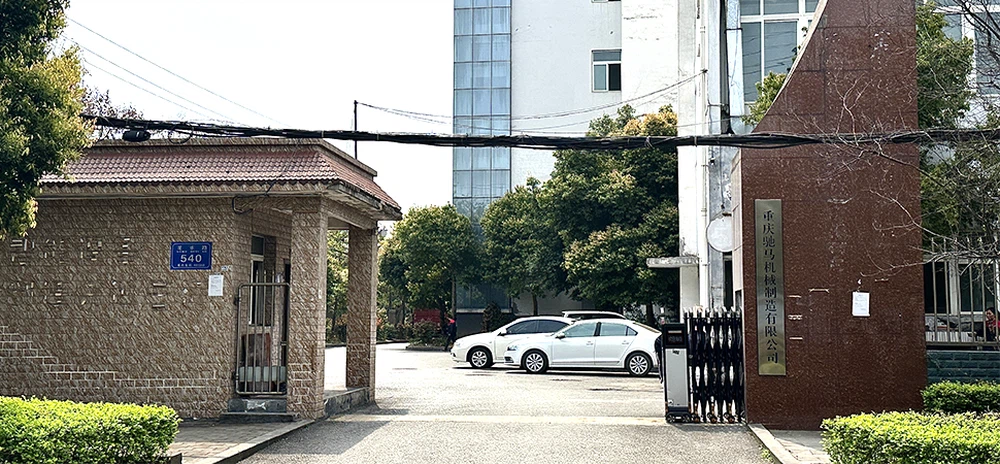
Chongqing Chi Ma Machinery Manufacturing Co., LTD., registered in Chongqing Dazu District Longshui Town Longshui Road No. 540. Founded in 2006, convenient transportation, beautiful environment, a total area of more than 20,000 square meters, the existing staff of more than 200 people, the main production and sales of agricultural machinery accessories, chassis and whole machine, Chi Ma company's micro-cultivator chassis is the company's independent production, micro-cultivator quality and price in the industry has a very big advantage.

Our certificate


FAQ
As one of the most professional water pumps suppliers in China, we're featured by quality products and good service. Please rest assured to wholesale customized water pumps from our factory. Contact us for discount information.